Solution - Rural Drinking Water Safety Monitoring System

Water conservancy IoT products andTechnologySolution provider
Automated Monitoring and Information Management System for Rural Drinking Water Safety
Background of demand
Rural drinking water safety is the bottom line requirement for rural revitalization and the construction of a healthy China, which directly affects the physical health, quality of life, and rural social stability of farmers. Its core requirements can be summarized as“ Three guarantees and one improvement; :
1)Water quality safety guarantee:Ensure that microbial (such as bacteria, viruses), chemical (such as heavy metals, fluoride, nitrate), physical (such as turbidity, chromaticity) and other indicators in drinking water comply with the "Hygienic Standards for Drinking Water" (GB 5749-2022), and avoid waterborne infectious diseases (such as typhoid fever, dysentery) and endemic diseases (such as fluorosis, arsenic poisoning).
2)Stable water supply guarantee; To meet the basic water needs of rural residents for daily life (drinking, cooking, washing) and public services (schools, clinics), and to solve the problems caused by seasonal water shortages and pipeline leaks; Cut off water supply; Problem.
3)Sustainable water supply guarantee:To cope with risks such as water source pollution, extreme weather (droughts, floods), and aging engineering, and ensure the long-term stable operation of the water supply system.
4)Regulatory efficiency improvement:Changing Tradition; Human centered, passive response; The regulatory model aims to achieve real-time monitoring data, rapid problem resolution, and scientific management decision-making.
2)Stable water supply guarantee; To meet the basic water needs of rural residents for daily life (drinking, cooking, washing) and public services (schools, clinics), and to solve the problems caused by seasonal water shortages and pipeline leaks; Cut off water supply; Problem.
3)Sustainable water supply guarantee:To cope with risks such as water source pollution, extreme weather (droughts, floods), and aging engineering, and ensure the long-term stable operation of the water supply system.
4)Regulatory efficiency improvement:Changing Tradition; Human centered, passive response; The regulatory model aims to achieve real-time monitoring data, rapid problem resolution, and scientific management decision-making.
Pain point analysis
Although the rural drinking water safety project in our country has been achieved; Village to village communication; However, there are still the following core pain points in the monitoring process:;
1)Insufficient monitoring coverage, data; Blind spot” Many:
Sparse points:Most regions rely solely on water plant effluent monitoring, with insufficient coverage of end-point water in the pipeline network and decentralized water supply (such as hand pressure wells and mountain spring water), especially in remote mountainous areas and small-scale water supply projects; Unable to detect” The problem.
Incomplete indicators:Conventional monitoring mainly focuses on a few indicators such as microorganisms and turbidity, while high-risk indicators such as heavy metals (lead, arsenic, chromium), organic compounds (pesticide residues, volatile phenols), and emerging pollutants (antibiotics, microplastics) are missing detection.
2)Outdated technological means, responsive; Lag” Clearly :
2)Outdated technological means, responsive; Lag” Clearly :
Artificial led low efficiency:Traditional methods rely on manual sampling and laboratory testing (which takes 3-7 days to produce results), which cannot reflect water quality dynamics in real time and can easily miss pollution disposal; Golden time;.
Poor adaptability of equipment:Some testing equipment (such as large spectrometers) have poor adaptability to rural environments (unstable power supply, large temperature and humidity changes, and insufficient skills of operators) and high failure rates.
3)Lack of operation and maintenance mechanism to ensure; Fatigue” :
Shortage of Funds and Talents:Grassroots monitoring stations lack professional operation and maintenance personnel, rely on higher-level units for equipment maintenance and consumables replacement, and have long response cycles; Distributed water supply projects lack long-term operation and maintenance funds and equipment; It's broken and no one can fix it;.
Weak emergency response capability:In case of sudden pollution (such as chemical plant leakage and rainstorm scouring leading to the rising turbidity of the water source), there is a lack of rapid detection and emergency water supply linkage mechanism.
Overall scheme design
Rural drinking water safety monitoring needs to be based on; Demand-oriented, pain points as the bullseye; Through“ Intelligent sensing+Internet of Things+Big Data; Building a full chain monitoring system with technology to achieve monitoring from; Artificial experience; To“ Data driven; From“ Passive disposal; To“ Proactive prevention and control; The transformation. At the same time, it is necessary to combine rural reality, take into account equipment costs, operational feasibility, and public participation, and form a '; Government led, market operated, and village participation; A long-term mechanism to effectively safeguard rural residents; From the source to the leader; The safety of drinking water lays a solid foundation for rural revitalization and the construction of a healthy China. The overall design structure is as follows:
Monitoring Center:Establish a unified rural drinking water safety monitoring cloud platform, integrate data from departments such as water conservancy, health, and ecological environment, and display real-time water source locations, water supply projects, monitoring point distribution, and water quality status through GIS maps (color warning: green normal, yellow attention, red exceeding standard);
Communication platform:Using technologies such as broadband/4G wireless network/NB IoT/LoRa, sensor data is uploaded to local servers through the network. For mountainous areas without signal, data is transmitted through Beidou short messages to ensure; The Last Mile; Monitoring without blind spots;
Monitoring and measuring equipmentAdopting miniaturized and low-power sensors (such as pH sensors, turbidity sensors, residual chlorine sensors, conductivity sensors, water level gauges, flow meters, pressure sensors), deployed at key nodes such as water sources, water plant outlets, and pipe network ends, to achieve real-time collection of indicators such as water temperature, pH value, turbidity, residual chlorine, water level, flow rate, and pipeline pressure at the minute level. Utilizing the Chenxi IoT video telemetry terminal RTU, combined with local and remote video monitoring, to ensure effective data, timely feedback, and active traceability;
Communication platform:Using technologies such as broadband/4G wireless network/NB IoT/LoRa, sensor data is uploaded to local servers through the network. For mountainous areas without signal, data is transmitted through Beidou short messages to ensure; The Last Mile; Monitoring without blind spots;
Monitoring and measuring equipmentAdopting miniaturized and low-power sensors (such as pH sensors, turbidity sensors, residual chlorine sensors, conductivity sensors, water level gauges, flow meters, pressure sensors), deployed at key nodes such as water sources, water plant outlets, and pipe network ends, to achieve real-time collection of indicators such as water temperature, pH value, turbidity, residual chlorine, water level, flow rate, and pipeline pressure at the minute level. Utilizing the Chenxi IoT video telemetry terminal RTU, combined with local and remote video monitoring, to ensure effective data, timely feedback, and active traceability;
System Block Diagram

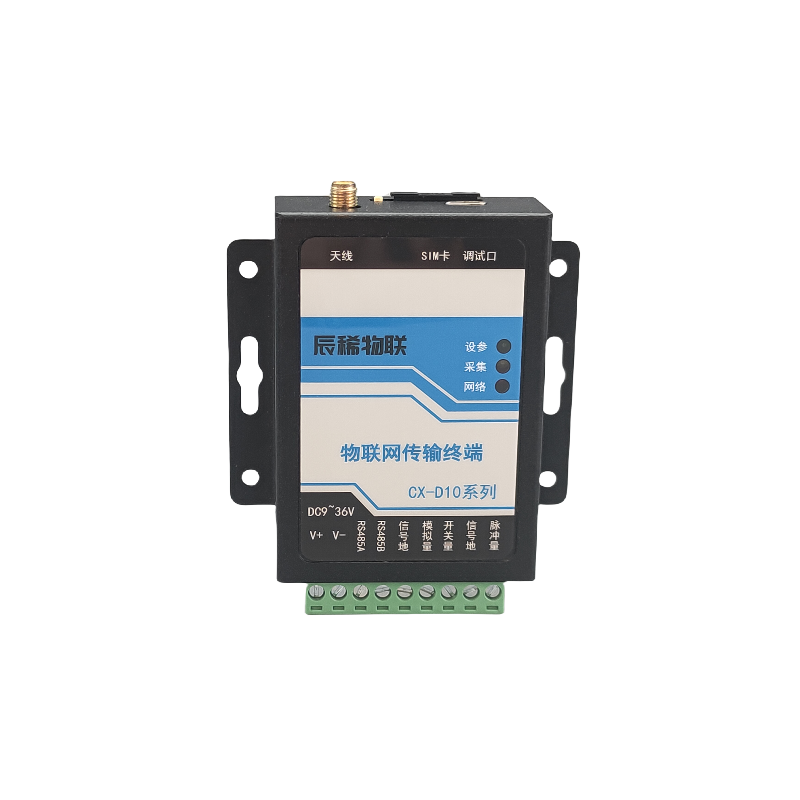
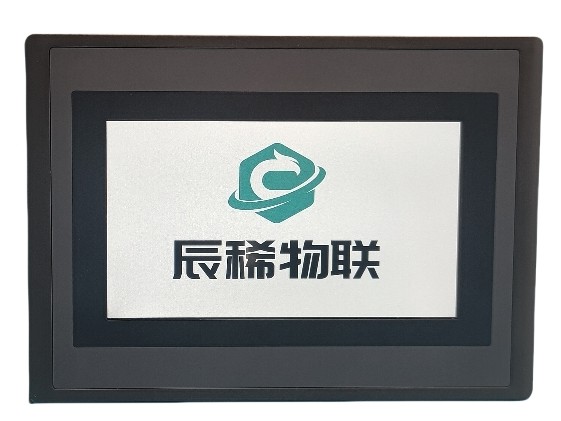
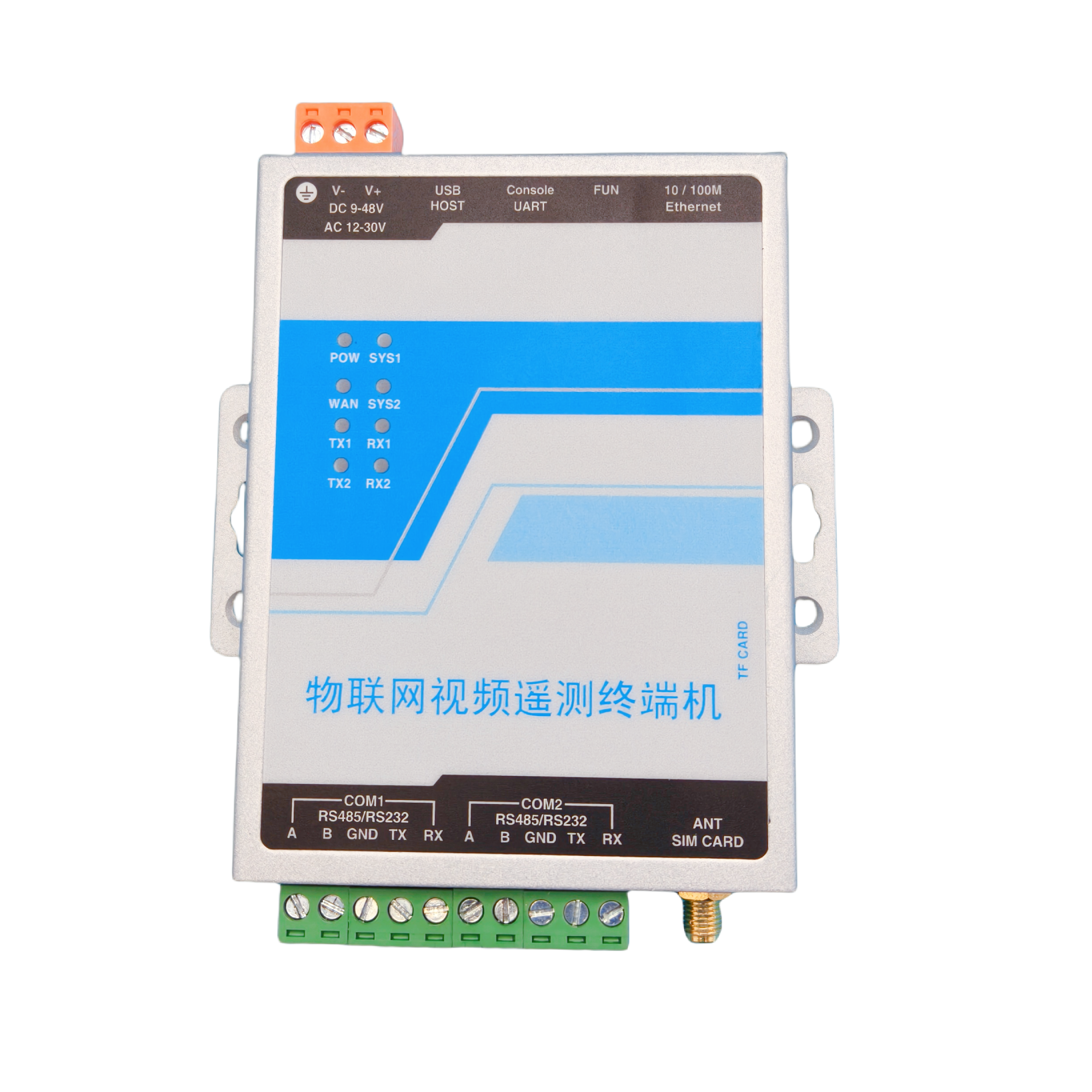
CX-D10
CX-L200
CX-L102
Management Center
IoT transmission terminalIoT intelligent terminalIoT video telemetry terminal
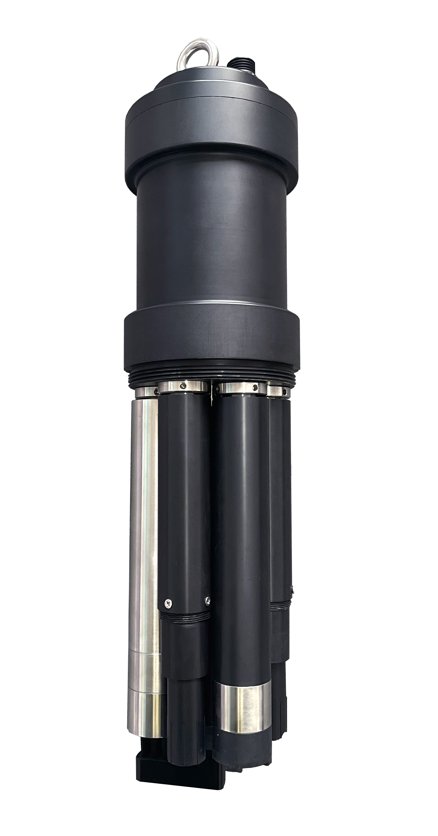
Other typesSensor access
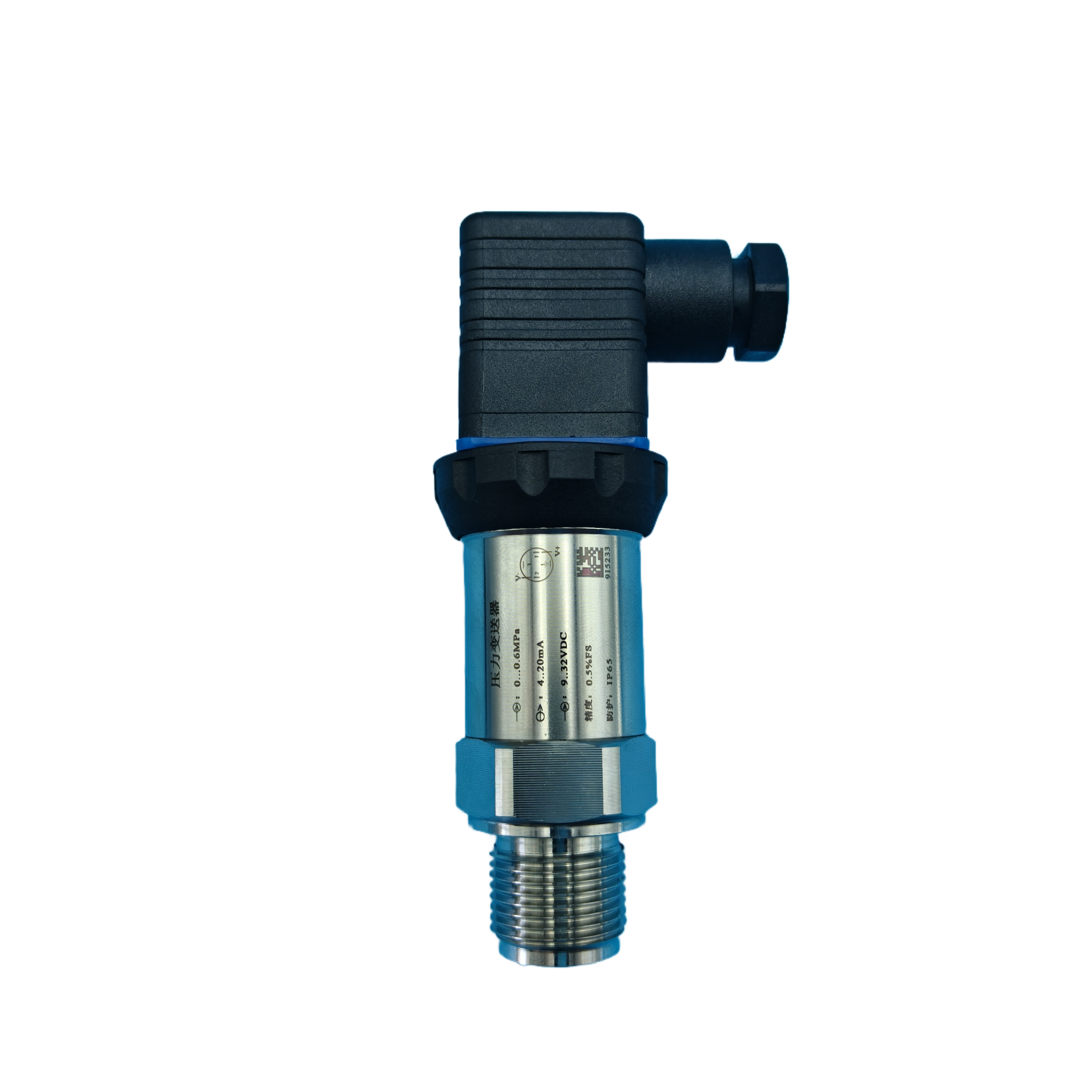
Pipeline pressure gauge
Water quality sensor at the water source
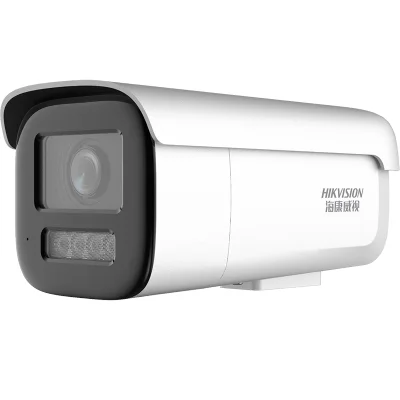
Key area video surveillance
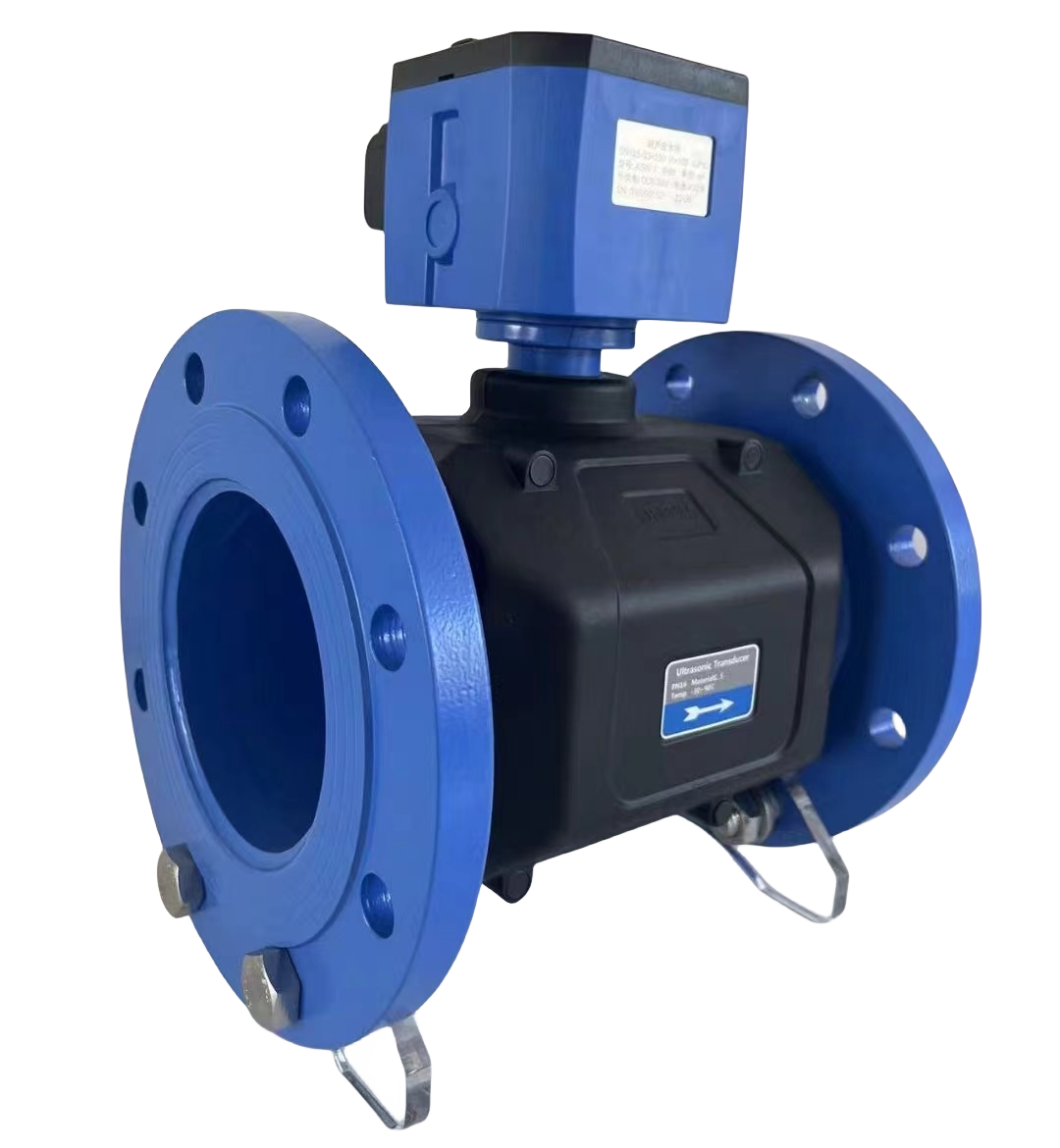
Export/inlet flow meter

Pool water level gauge

Factory water quality monitoring cabinet
System functions
Real time monitoring of water quality information in drinking water sources
Real time data collection of water quality sensors and water level measuring instruments at water sources (such as wells, reservoirs, rivers, etc.) is achieved through the Chenxi IoT video telemetry terminal RTU. Using the 3G/4G/5G/Beidou+wireless transmission function of the telemetry terminal, the measured results are uploaded to the designated platform center to achieve remote monitoring of data
Real time video transmission, photo taking, image/video character overlay *
The Chenxi IoT video telemetry terminal has one 10M/100M network port, which can be connected to a network camera and capture photos at regular intervals. It can also provide a wireless internet channel for the network camera to connect to the cloud platform (taking Hikvision as an example, it can be connected to Yingshi Cloud and Hikvision Internet Platform)
Featuring large capacity storage *, supporting TF card/USB external storage, capable of exporting data and photos
Featuring large capacity storage *, supporting TF card/USB external storage, capable of exporting data and photos
Data over limit alarm
Real time monitoring of factory water conditions
Real time collection of data from measuring instruments such as factory water quality monitoring cabinets, flow meters, and clear water tank levels through the Chenxi IoT video telemetry terminal RTU. Utilizing the 3G/4G/5G/broadband transmission function of the telemetry terminal, the measured results are uploaded to the designated platform center to achieve remote monitoring of data
Water temperature, pH value, turbidity, residual chlorine, conductivity of the water source area COD、 When key indicators such as ammonia nitrogen and BOD exceed the limit, the platform can immediately prompt an alarm message to reduce the entry of polluted water sources into the water supply system;
When the pipeline pressure exceeds the limit, it can prompt key point pressure data and provide alarm and factual data for water supply dispatch;
Measure the factory water flow rate and store the data in the platform software database for easy trade settlement;
Factory waterReal time monitoring of water temperature, pH value, turbidity, residual chlorine, conductivity, etc., to prevent unqualified water from entering residential water pipelines;
Real time video monitoring, when the monitored indicators exceed the limit, real-time video monitoring can be retrieved in a timely manner, combined with maintenance personnel, to quickly identify problem points;
Local and remote work
Cross platform use, accessed through the web, platform software can be installed on various operating systems such as Windows, Linux, and domestic Kirin
A comprehensive platform login mechanism to avoid data loss and external cracking, ensuring data security
Support remote maintenance of devices to reduce the workload of maintenance personnel
A comprehensive platform login mechanism to avoid data loss and external cracking, ensuring data security
Support remote maintenance of devices to reduce the workload of maintenance personnel
Introduction to the Software Functions of Chenxi Rural Drinking Water Safety Monitoring System
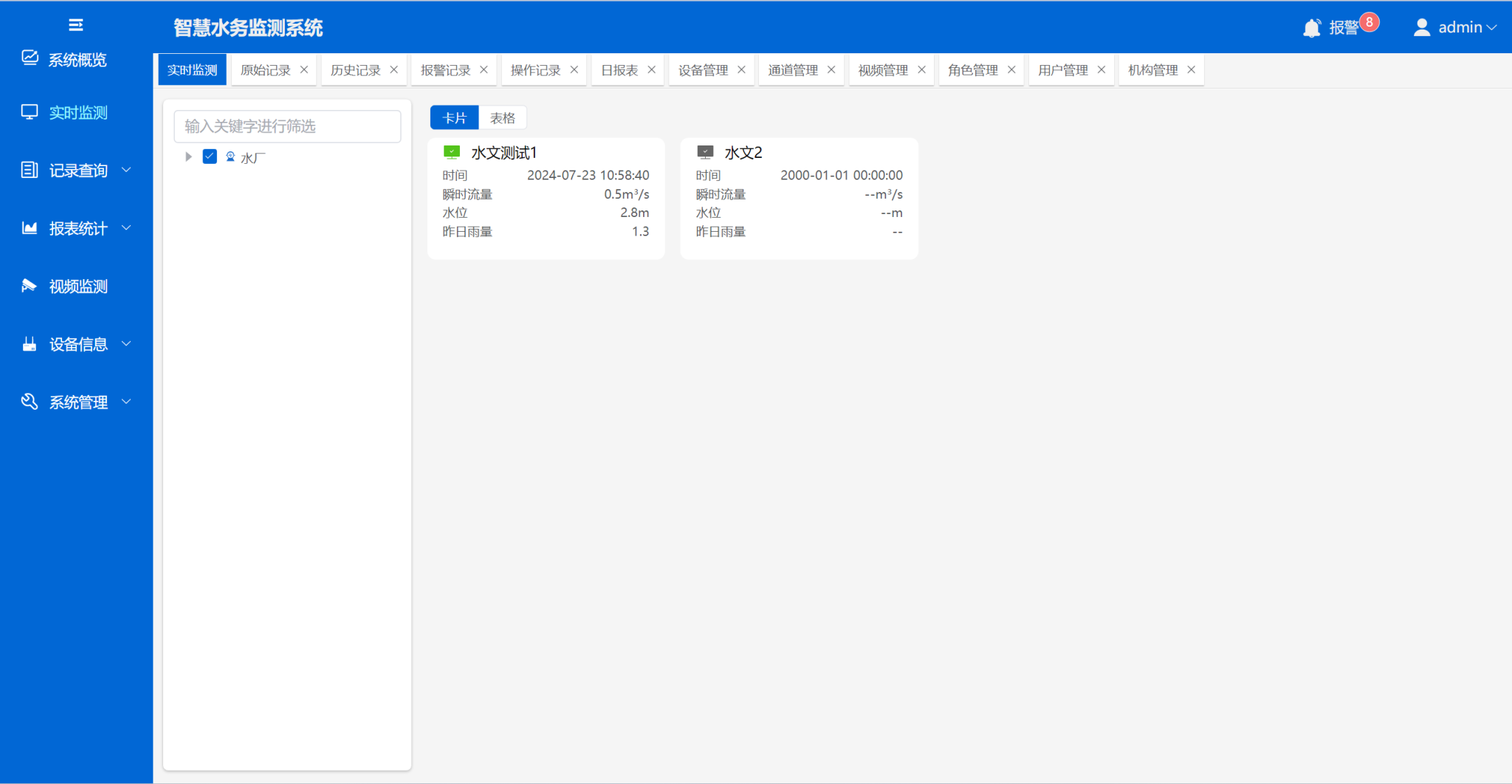
“ A Water Conservancy Diagram; Function
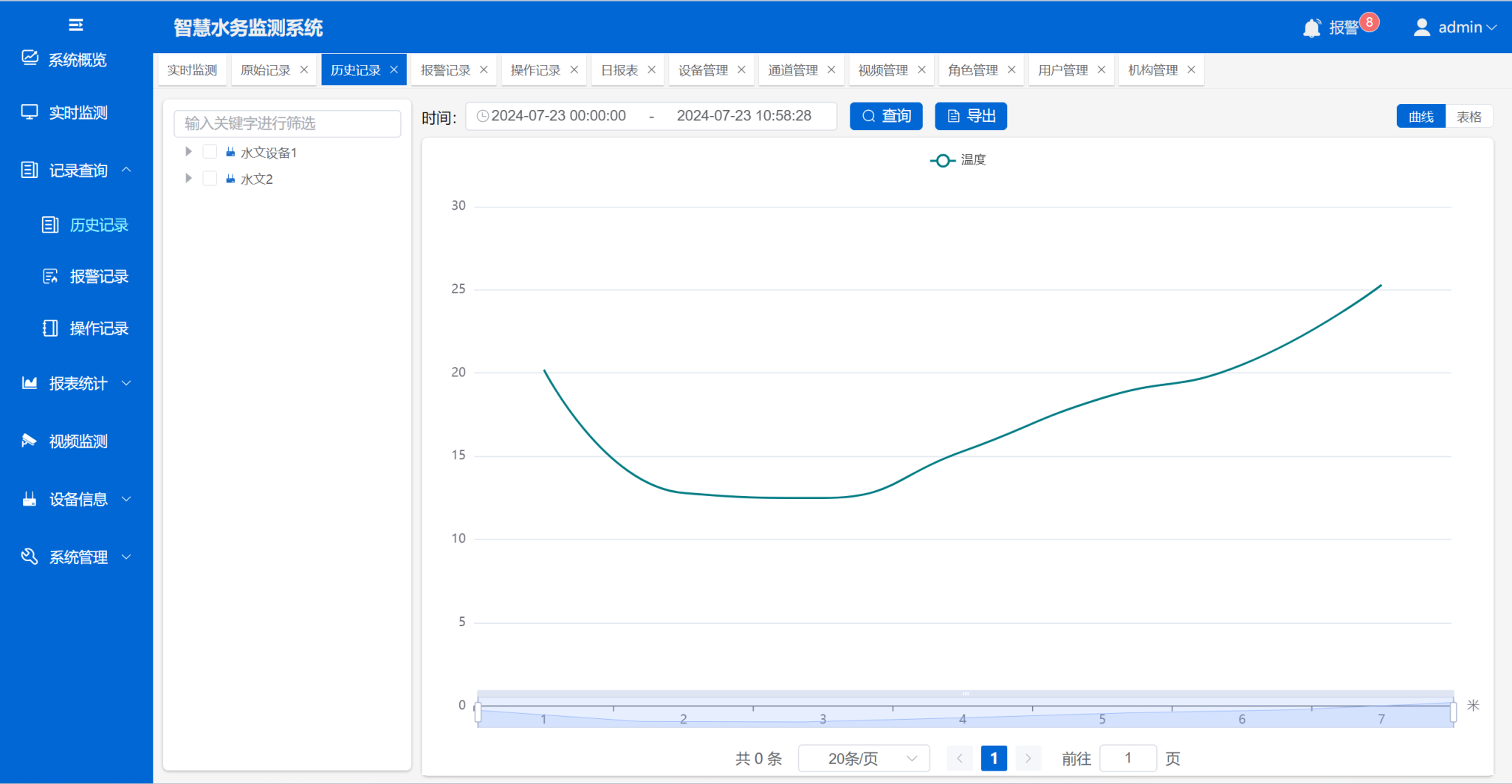
The overall management interface displays geographic information, equipment working status statistics, real-time alarm information, monitoring data display, and weather condition display within the area
Real time monitoring
Display monitoring information of monitoring points in a card based interactive logic, including important information such as water level, water quality, flow rate, pressure, and reporting time
Video playback
You can view and access videos, play or close them, and perform other operations
Record query
The curve displays monitoring data and can query monitoring data, alarm records, operation records, and other information within any time period
Report statistics
Daily, monthly, and annual reports with statistical monitoring data and data export function
Equipment management
Basic operations such as adding and deleting monitoring devices and video devices can be performed
① Real time video transmission, photo taking, image/video character overlay *: Only CX-L102 and CX-L200 have this function;
② Large capacity storage *: refers to the built-in storage space of the video telemetry terminal, where CX-L102 is 128MB; CX-L200 is 1GB; CX-D10 is DTU and does not have local storage;
③ Private agreement *: refers to the platform docking agreement provided by the partner, and our company develops the corresponding docking interface;
② Large capacity storage *: refers to the built-in storage space of the video telemetry terminal, where CX-L102 is 128MB; CX-L200 is 1GB; CX-D10 is DTU and does not have local storage;
③ Private agreement *: refers to the platform docking agreement provided by the partner, and our company develops the corresponding docking interface;
System configuration
| Name | Configure parameters | quantity | Explanation |
Protective chassis | Insect proof and rainproof chassis | 1 | Galvanized iron or stainless steel material can be customized |
| Chenxi IoT video telemetry terminal | Wireless 4G/5G/Broadband Adaptive Internet Access | 1 | - |
| Network camera | Hikvision/Dahua/Tiandi Weiye | 1 | Support multiple manufacturers and models |
| Measuring instruments | Multi parameter water quality sensors/flow meters/pressure sensors/water level gauges, etc | 1 | Support smart meters |
| Power Distribution | Solar power supply system or mains power | 1 | - |
| System lightning protection | Network port lightning protection, power supply lightning protection, lightning protection grounding | 1 | - |
| Vertical pole | Make according to the actual situation | 1 | - |
Application performance
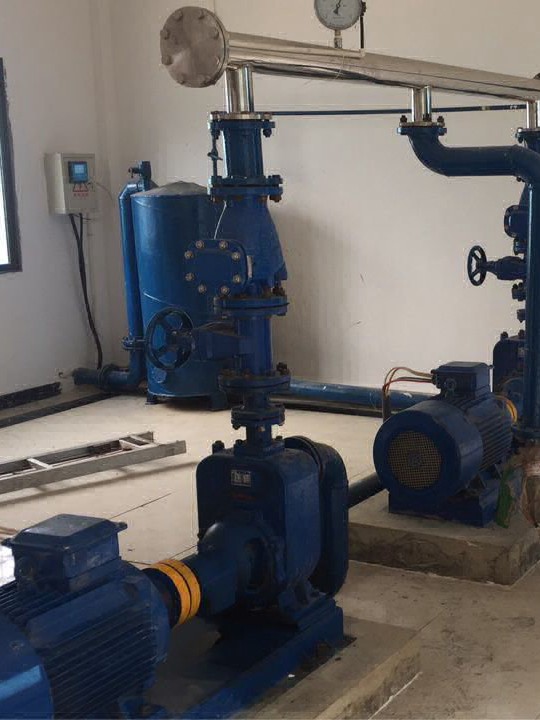
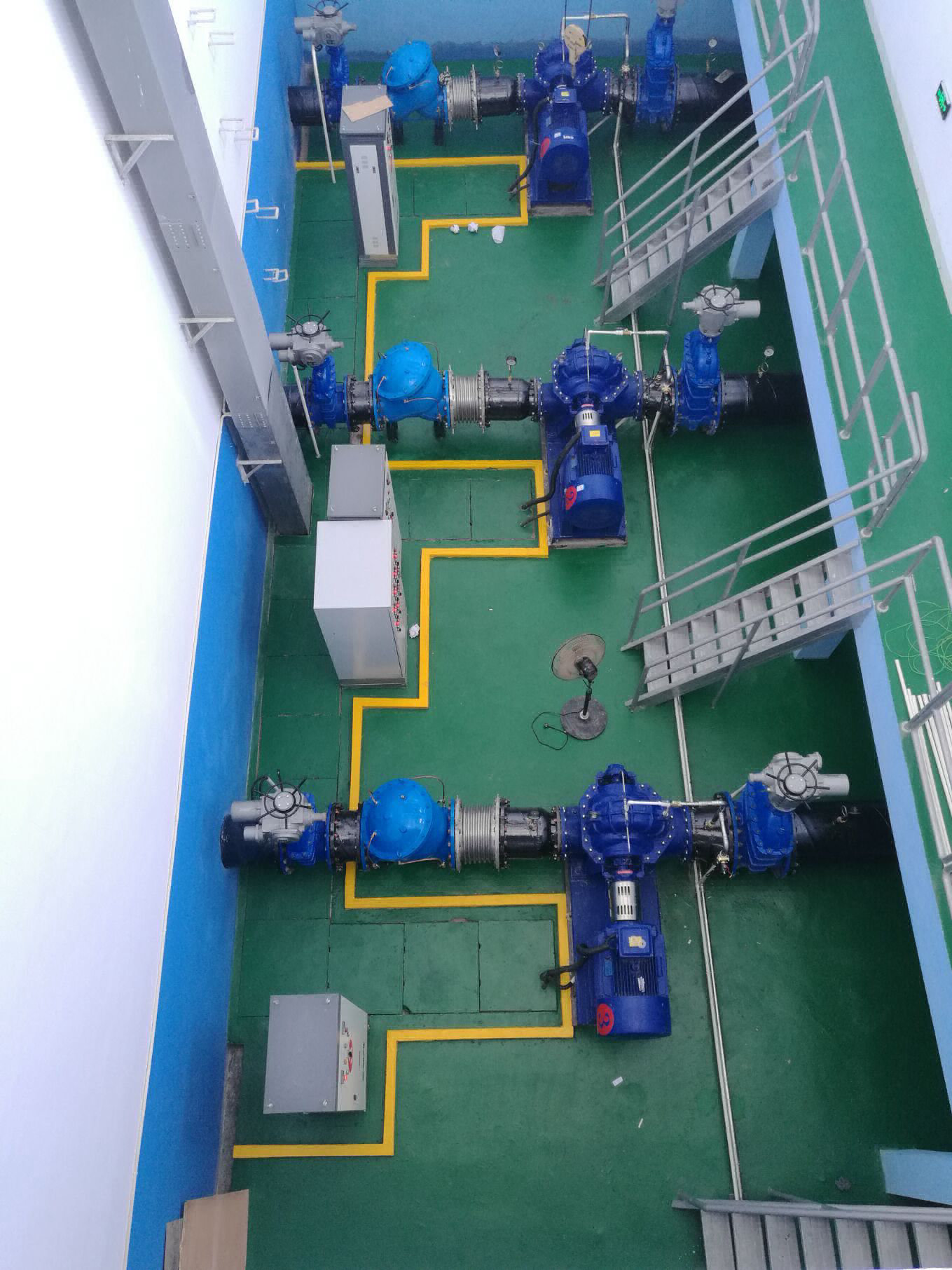
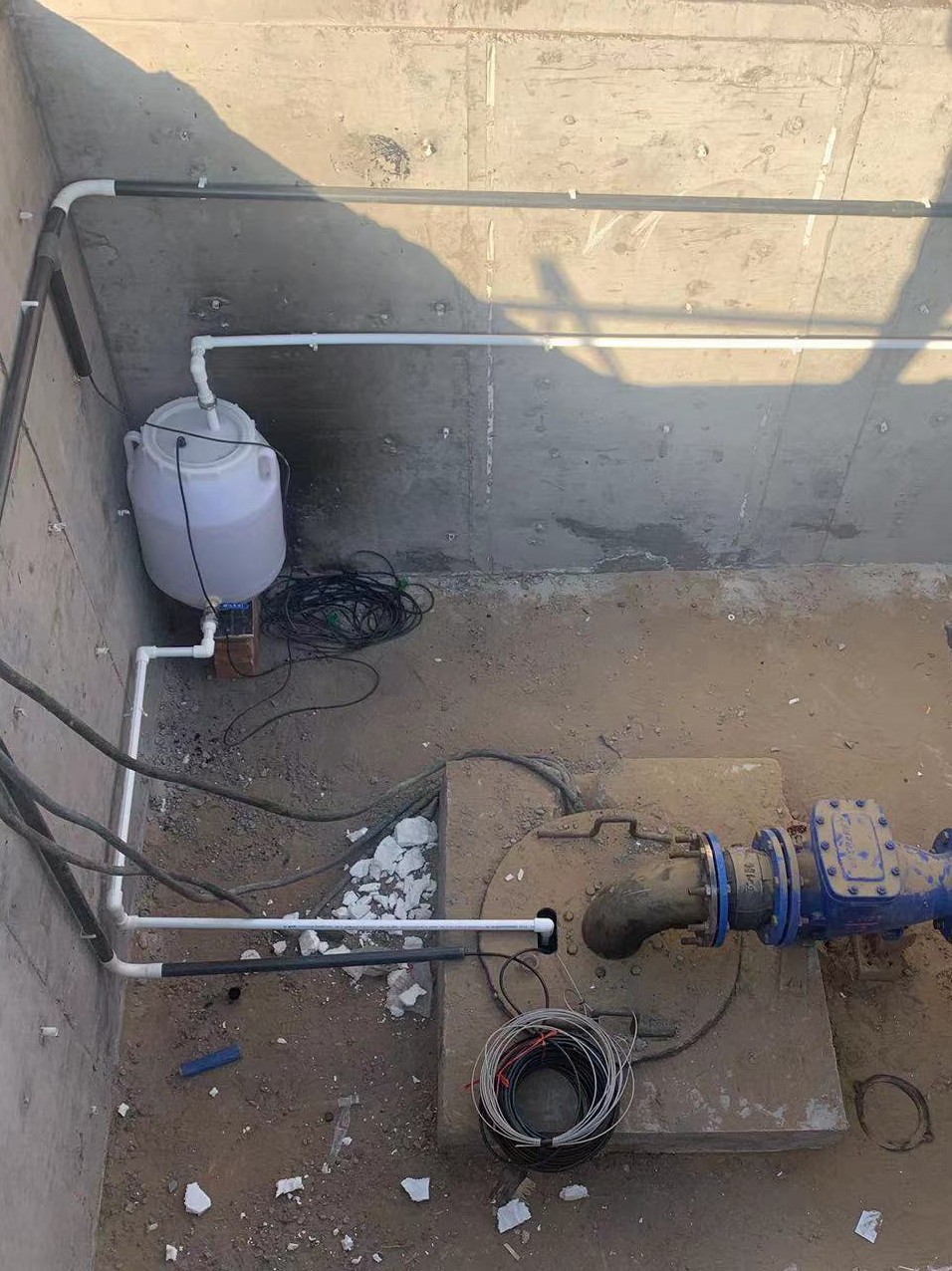
Factory water pressure and flow monitoring point
Monitoring points for pump station operating conditions
Water quality monitoring points for water source wells
Related products involved in the plan

Pipeline pressure monitoring points
Rural water supply automation, informatization, and intelligent system; Smart Water Management for Rural Water SupplySystem Integrated urban and rural water supply plan
Follow WeChat Video Account

Contact: Feng Chao
Phone: 18730593290
Scan the QR code on WeChat to obtain product solutions and prices
About Us
Solution
Smart Water Conservancy
Rural water use
Internet of Things
Instruments and sensors
Service Support
News Center
Pay attention to Tiktok number

Contact phone number
18730593290
18732598815

Email address
122797786@qq.com

Company Address
Tangshan High tech Zone, Hebei Province
126 Torch Road
Tangshan Chenxi IoT Technology Co., Ltd. is an official website supplier of water conservancy IoT products and technical solutions, providing you with hardware and software products, as well as corresponding solutions and technical services
Follow Video Account

 Online Service
