Solution - Reservoir Dam Safety Monitoring System

Water conservancy IoT products andTechnologySolution provider
Reservoir Dam Safety Monitoring System
Overview
The demand for safety monitoring of reservoir dams (embankments) is multifaceted, including risk prevention, structural health monitoring, emergency response, compliance with laws and regulations, technological progress, environmental protection, and economic and social development.
1、 The system construction objectives are as follows:
1、 The system construction objectives are as follows:
1)Ensuring the safety of people's lives and property:Dams are an important component of flood control projects, and their safety is directly related to the safety of downstream people's lives and property. By conducting remote online safety monitoring of embankments, hidden dangers can be detected in a timely manner to prevent the occurrence of flood disasters.
2)Master the operation status of the embankmentDuring the long-term operation of dams and embankments, their structures may undergo changes due to natural factors such as erosion, settlement, earthquakes, and human factors such as construction quality and maintenance management. By monitoring, the operational status of the embankment can be timely grasped, providing scientific basis for maintenance and management.
3)Preventing accidents:Once a danger occurs in a dam, such as leakage, landslides, cracks, etc., if not detected and dealt with in a timely manner, it may lead to serious accidents. By monitoring, it is possible to detect and take measures in the early stages of a dangerous situation to prevent accidents from occurring.
4)Adapting to climate change:With global climate change and an increase in extreme weather events, higher requirements have been put forward for the safety of embankments. By implementing online monitoring, it is possible to timely understand the adaptability of embankments to extreme weather conditions, providing a basis for the reinforcement and renovation of embankments.
5)Scientific decision support:The safety monitoring of dams and embankments provides a large amount of data, and through the analysis of these data, scientific decision support can be provided for the planning, design, construction, maintenance, and other aspects of embankments, improving the scientific and effective management of embankments.
2)Master the operation status of the embankmentDuring the long-term operation of dams and embankments, their structures may undergo changes due to natural factors such as erosion, settlement, earthquakes, and human factors such as construction quality and maintenance management. By monitoring, the operational status of the embankment can be timely grasped, providing scientific basis for maintenance and management.
3)Preventing accidents:Once a danger occurs in a dam, such as leakage, landslides, cracks, etc., if not detected and dealt with in a timely manner, it may lead to serious accidents. By monitoring, it is possible to detect and take measures in the early stages of a dangerous situation to prevent accidents from occurring.
4)Adapting to climate change:With global climate change and an increase in extreme weather events, higher requirements have been put forward for the safety of embankments. By implementing online monitoring, it is possible to timely understand the adaptability of embankments to extreme weather conditions, providing a basis for the reinforcement and renovation of embankments.
5)Scientific decision support:The safety monitoring of dams and embankments provides a large amount of data, and through the analysis of these data, scientific decision support can be provided for the planning, design, construction, maintenance, and other aspects of embankments, improving the scientific and effective management of embankments.
2、 The safety monitoring technology and implementation goals of dams and embankments mainly include the following aspects:
1)Automated monitoring technology:
Function: Automatically collect parameters such as water level, rainfall, seepage flow rate, seepage pressure, uplift pressure, etc.
Objective: To improve the efficiency and accuracy of data collection, reduce manual intervention, and ensure data continuity and real-time performance.
2)Remote communication technology:
Function: Real time transmission of monitoring data to the monitoring center, supporting remote data access and management.
Objective: To achieve remote monitoring and early warning, improve management efficiency and response speed.
3)Sensor technology:
Function: Use various sensors (such as pressure gauges, flow meters, displacement meters, etc.) to monitor the physical state of the embankment.
Objective: To obtain real-time status information of embankments and provide data support for evaluating their health status.
4)Video surveillance technology:
Function: Real time observation of the surface condition and surrounding environment of the embankment through a video surveillance system.
Objective: To promptly detect abnormal situations such as cracks, erosion, and human damage, and take corresponding measures.
5)Data analysis and processing techniques:
Function: Process and analyze the collected data, identify potential risks and trends.
Objective: To provide decision support and optimize the operation and maintenance strategies of embankments.
6)Geographic Information System (GIS) technology:
Function: Integrate geospatial data for embankment distribution, flood inundation analysis, etc.
Objective: To enhance the spatial analysis capability of embankment management and provide visual support for planning and management.
7)Artificial Intelligence and Machine Learning Technologies:
Function: Use AI algorithms for pattern recognition and predictive analysis of monitoring data.
Objective: To improve prediction accuracy and achieve intelligent assessment and warning of embankment status.
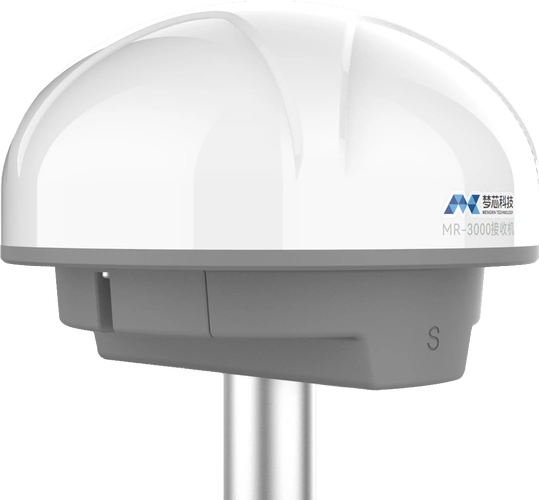
8)Beidou GNSS automatic observation technology:
Function: Use the Beidou satellite system for high-precision positioning and monitoring of small deformations in embankments.
Objective: To improve the accuracy and efficiency of deformation observation, and timely detect stability issues of embankments.
Function: Automatically collect parameters such as water level, rainfall, seepage flow rate, seepage pressure, uplift pressure, etc.
Objective: To improve the efficiency and accuracy of data collection, reduce manual intervention, and ensure data continuity and real-time performance.
2)Remote communication technology:
Function: Real time transmission of monitoring data to the monitoring center, supporting remote data access and management.
Objective: To achieve remote monitoring and early warning, improve management efficiency and response speed.
3)Sensor technology:
Function: Use various sensors (such as pressure gauges, flow meters, displacement meters, etc.) to monitor the physical state of the embankment.
Objective: To obtain real-time status information of embankments and provide data support for evaluating their health status.
4)Video surveillance technology:
Function: Real time observation of the surface condition and surrounding environment of the embankment through a video surveillance system.
Objective: To promptly detect abnormal situations such as cracks, erosion, and human damage, and take corresponding measures.
5)Data analysis and processing techniques:
Function: Process and analyze the collected data, identify potential risks and trends.
Objective: To provide decision support and optimize the operation and maintenance strategies of embankments.
6)Geographic Information System (GIS) technology:
Function: Integrate geospatial data for embankment distribution, flood inundation analysis, etc.
Objective: To enhance the spatial analysis capability of embankment management and provide visual support for planning and management.
7)Artificial Intelligence and Machine Learning Technologies:
Function: Use AI algorithms for pattern recognition and predictive analysis of monitoring data.
Objective: To improve prediction accuracy and achieve intelligent assessment and warning of embankment status.
8)Beidou GNSS automatic observation technology:
Function: Use the Beidou satellite system for high-precision positioning and monitoring of small deformations in embankments.
Objective: To improve the accuracy and efficiency of deformation observation, and timely detect stability issues of embankments.
Overall scheme design
System Block Diagram
Reservoir Dam Safety Monitoring SystemThe construction includes on-site displacement, seepage pressure, uplift pressure, water level, rainfall, meteorology, video information collection equipment, as well as the construction of monitoring center information reception and display, and application systems. The on-site measurement point information collection and transmission equipment is responsible for real-time collection, basic analysis and processing (such as alert status), and display of various information. It is also responsible for transmitting data to the management center through wireless 4G/5G/fiber optic communication, receiving, displaying, storing, analyzing, processing, and warning data through software. The overall composition is as follows:
Monitoring center: visual safety monitoring system for embankments;
Communication platforms: China Mobile/China Unicom/China Telecom wireless 4G/5G, as well as fiber optic networks;
Video and data communication equipment: IoT video telemetry terminals, network cameras, hard disk recorders, etc
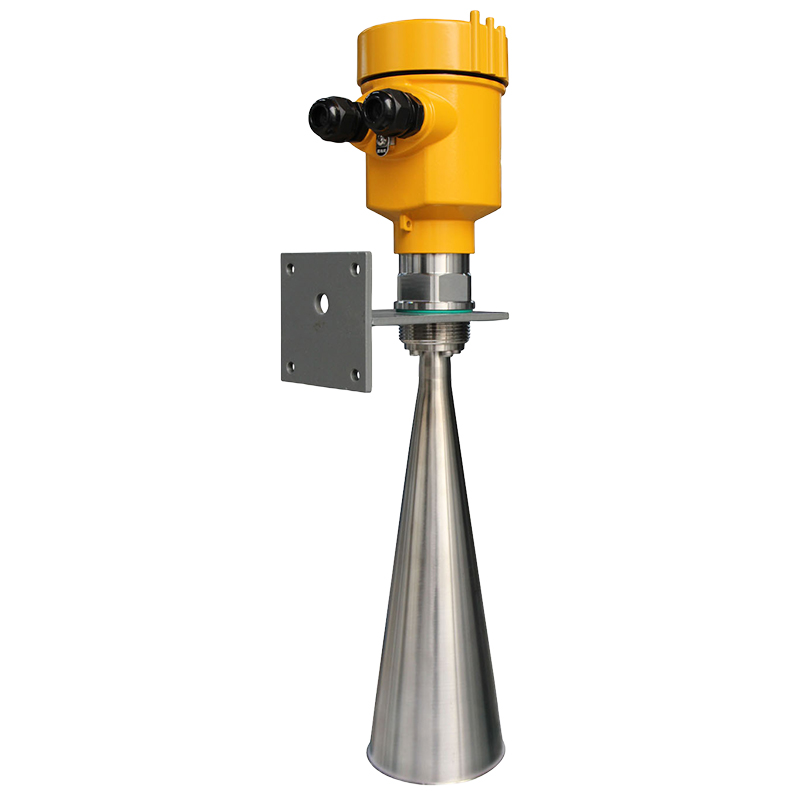
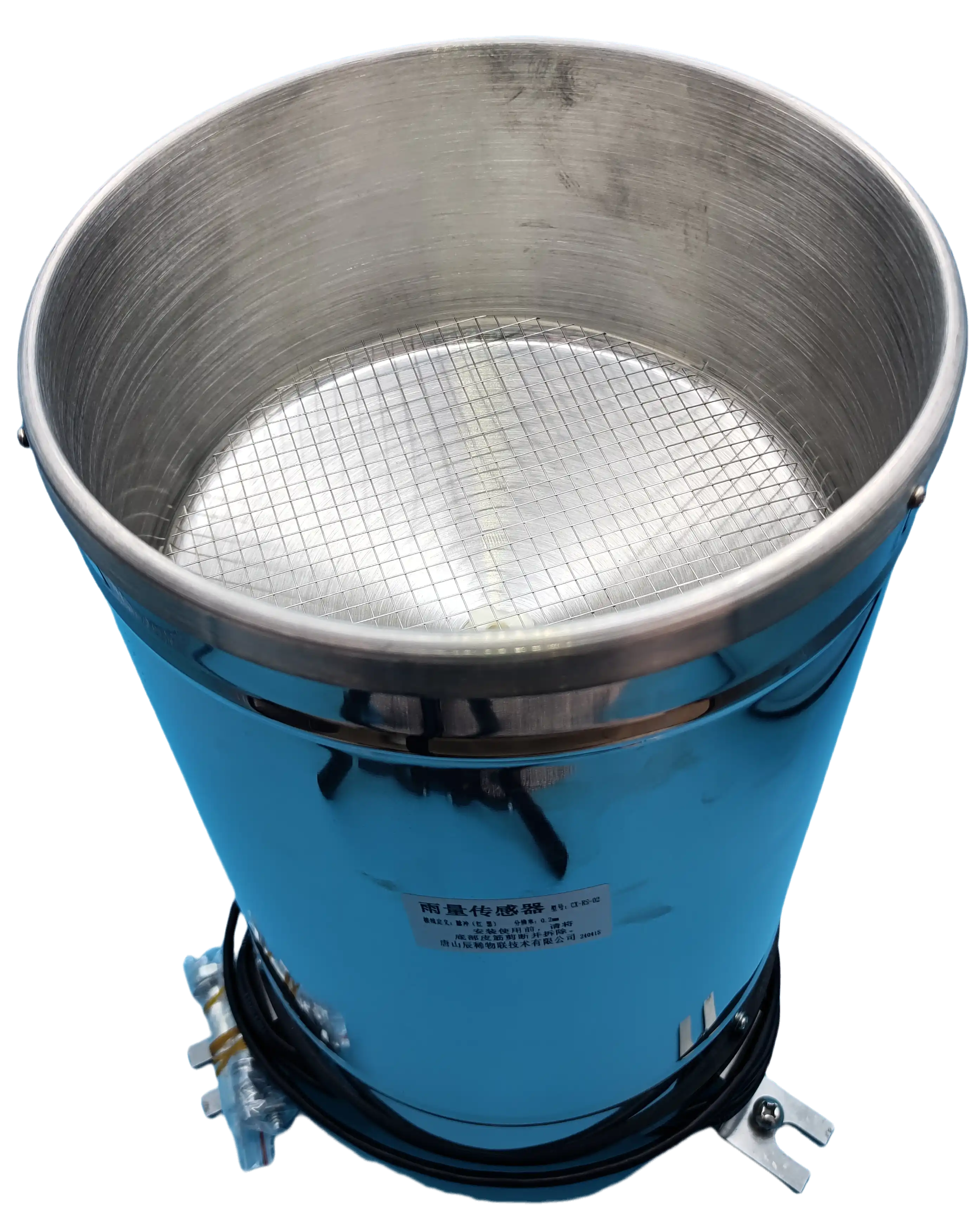
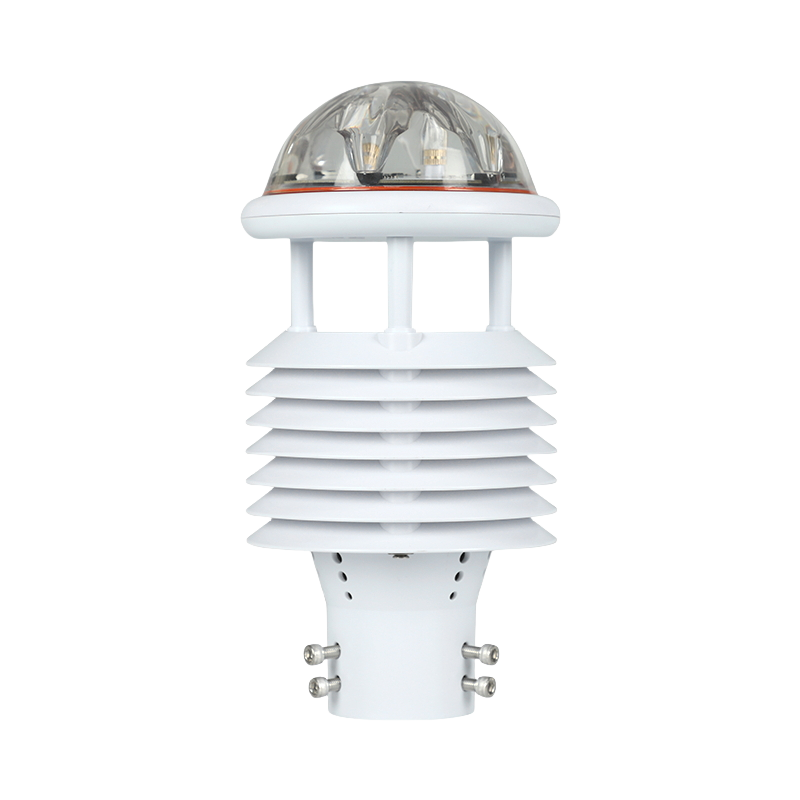
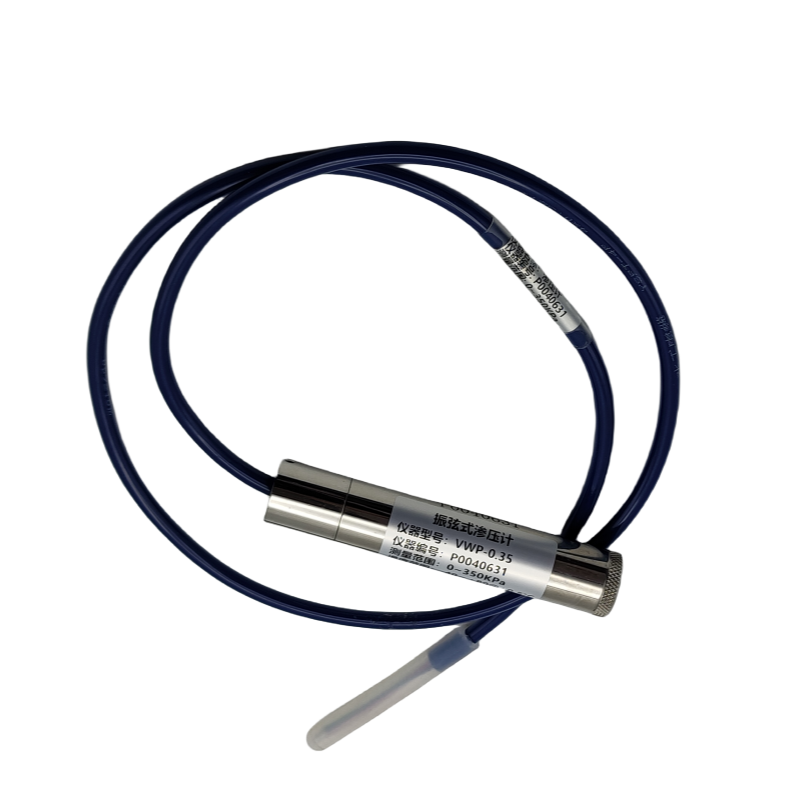
Measurement equipment: osmometers, GNSS displacement monitoring devices, radar water level gauges/ultrasonic water level gauges/pressure type water level gauges/bubble water level gauges/water gauges, rainfall sensors, and expandable meteorological sensors, etc;
Communication platforms: China Mobile/China Unicom/China Telecom wireless 4G/5G, as well as fiber optic networks;
Video and data communication equipment: IoT video telemetry terminals, network cameras, hard disk recorders, etc
Measurement equipment: osmometers, GNSS displacement monitoring devices, radar water level gauges/ultrasonic water level gauges/pressure type water level gauges/bubble water level gauges/water gauges, rainfall sensors, and expandable meteorological sensors, etc;
Management Center
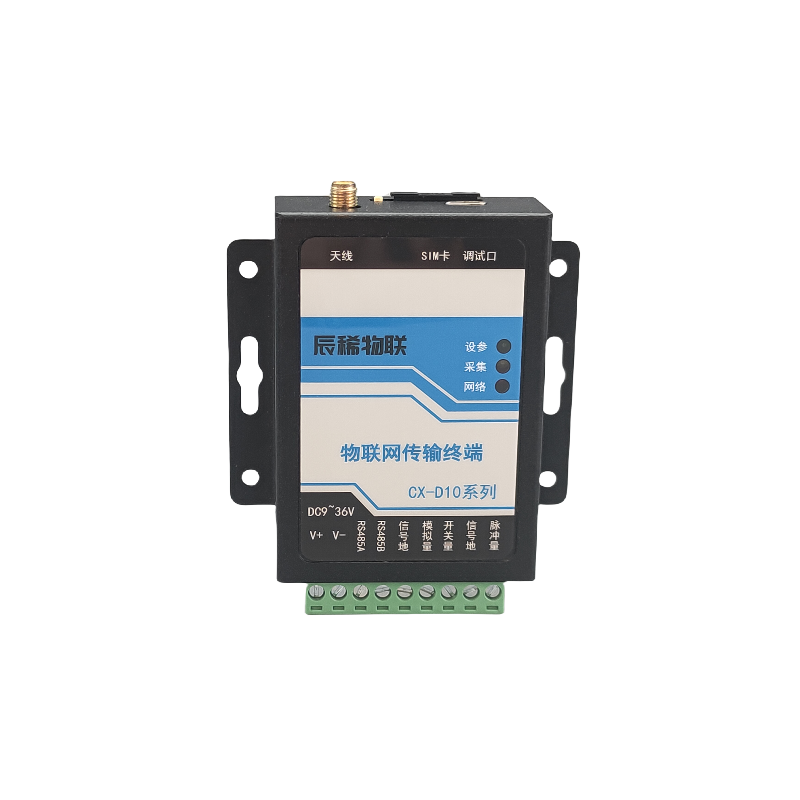
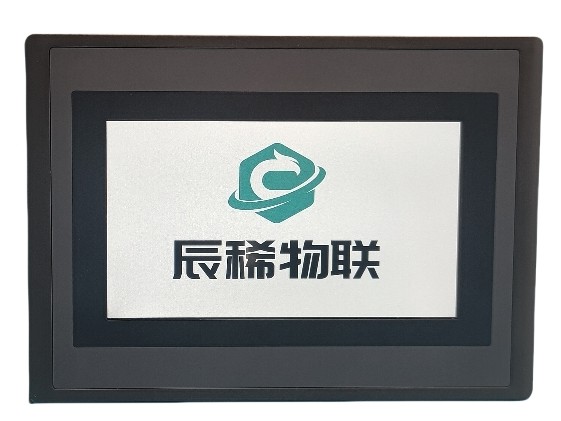
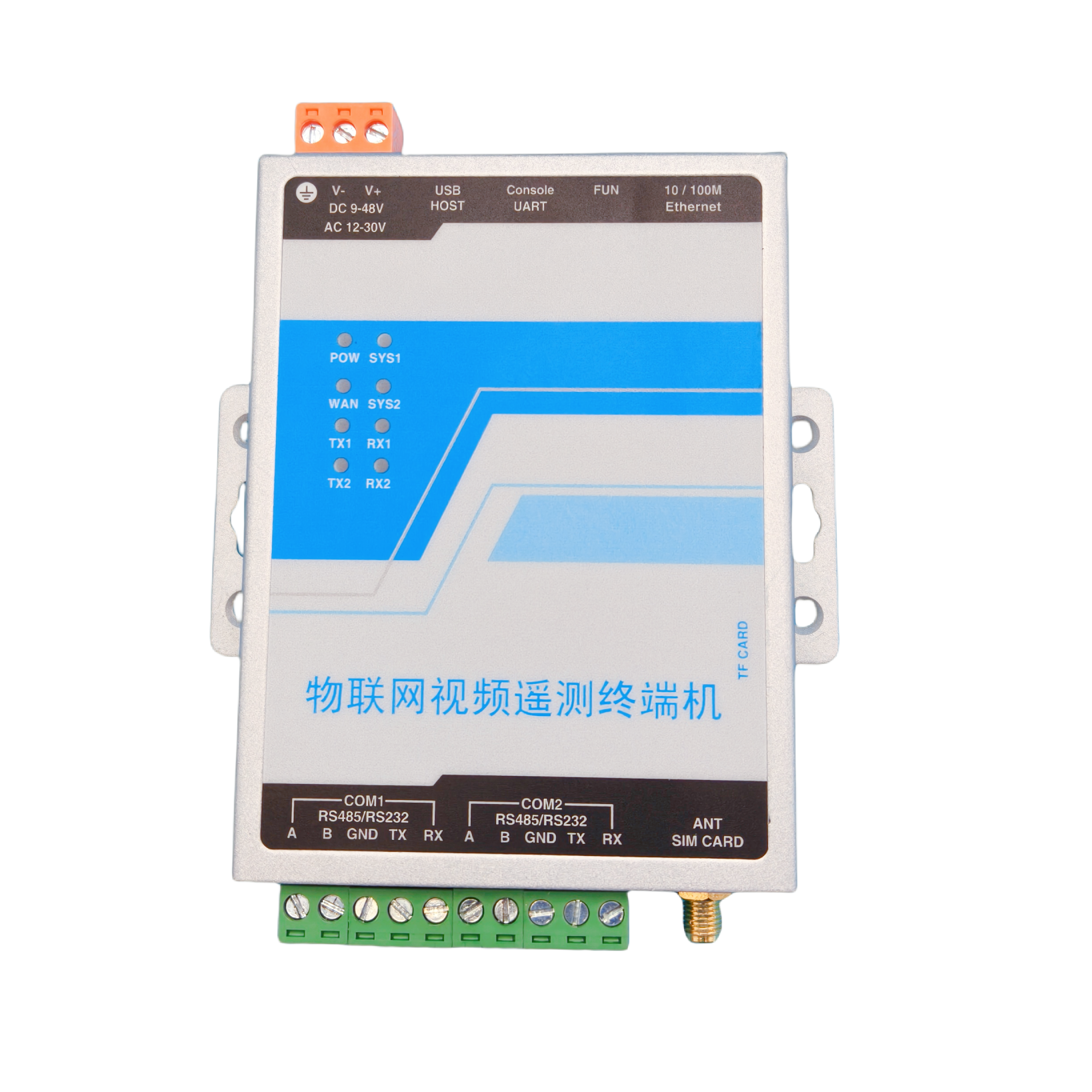
IoT transmission terminalIoT intelligent terminalIoT video telemetry terminal
CX-D10
CX-L200
CX-L102
Other typesSensor access
Rainfall sensor
Radar water level gauge
Multi parameter meteorological sensor
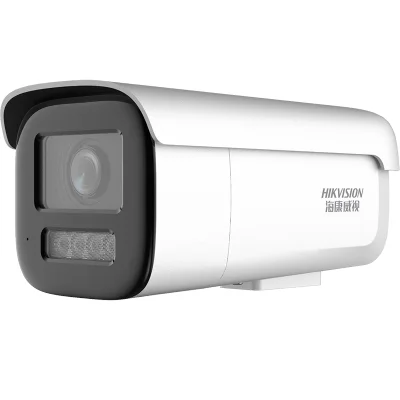
Network camera
GNSS receiver
Osmotic pressure gauge
System functions
Real time monitoring of river rainfall, water level, weather and other information
Real time collection of data from measuring instruments such as rain sensors, water level gauges, osmometers, GNSS receivers, etc. through video telemetry terminals. Using the 3G/4G/5G wireless transmission function of the telemetry terminal, the measured results are uploaded to the designated platform center to achieve remote monitoring of data
Real time video transmission, photo taking, image/video character overlay *
The IoT video telemetry terminal has one 10M/100M network port, which can be connected to a network camera and capture photos at regular intervals. It can also provide a wireless internet channel for the network camera to connect to the cloud platform (taking Hikvision as an example, it can be connected to Yingshi Cloud and Hikvision Internet Platform)
Featuring large capacity storage *, supporting TF card/USB external storage, capable of exporting data and photos
Featuring large capacity storage *, supporting TF card/USB external storage, capable of exporting data and photos
Users can customize the collection parameters, and the data can be connected to various intelligent instruments such as water level gauges, GNSS displacement monitoring receivers, rainfall sensors, meteorological sensors, etc
Support Modbus RTU protocol, custom address table and reporting volume name
Support Modbus RTU protocol, custom address table and reporting volume name
Flexible and customizable features
Local and remote maintenance
Cross platform use, no need for dedicated software or data cables
Connect the network cable to the computer and use web pages to set parameters
Support remote webpage parameter setting
Connect the network cable to the computer and use web pages to set parameters
Support remote webpage parameter setting
Wireless 4G/5G/broadband adaptive internet access and integration with various provincial and municipal platforms
Communication method
The system supports wireless 3G/4G/5G, fiber/broadband adaptive internet access, and simple configuration can achieve platform connection
Supports various protocols such as Modbus RTU, FTP, HTTPS (POST), TCP/IP, MQTT/MQTTS, Hydrological Monitoring Data Communication Protocol (SL651-2014), Water Resources Monitoring Data Transmission Protocol (SZY206-2016 \ SL 427-2021), and supports custom protocol access
Docking system
A platform that supports docking with standard protocols and private protocols *
The system supports wireless 3G/4G/5G, fiber/broadband adaptive internet access, and simple configuration can achieve platform connection
Supports various protocols such as Modbus RTU, FTP, HTTPS (POST), TCP/IP, MQTT/MQTTS, Hydrological Monitoring Data Communication Protocol (SL651-2014), Water Resources Monitoring Data Transmission Protocol (SZY206-2016 \ SL 427-2021), and supports custom protocol access
Docking system
A platform that supports docking with standard protocols and private protocols *
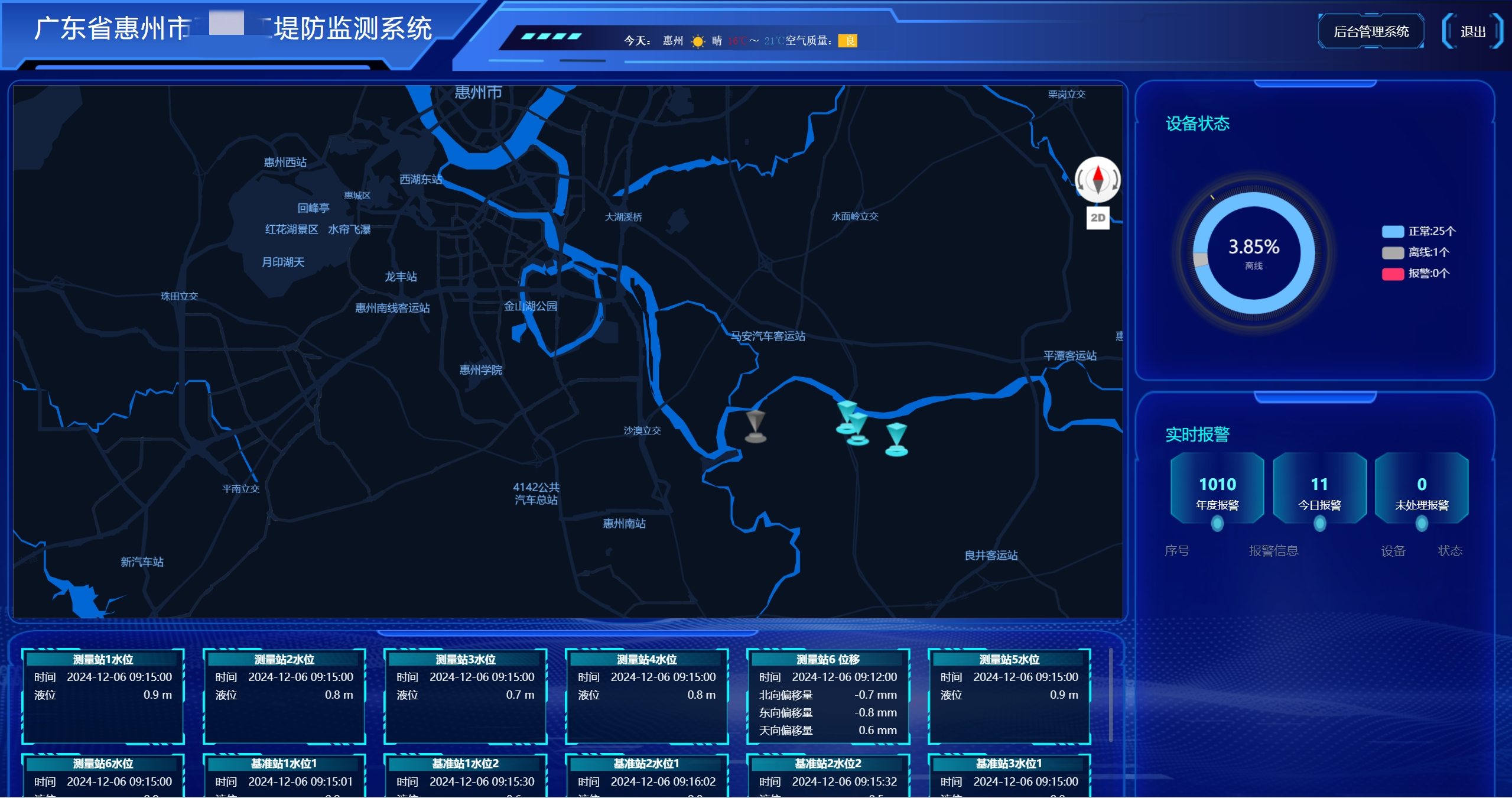
Introduction to the functions of Chenxiyun software
“ A Water Conservancy Diagram; Function
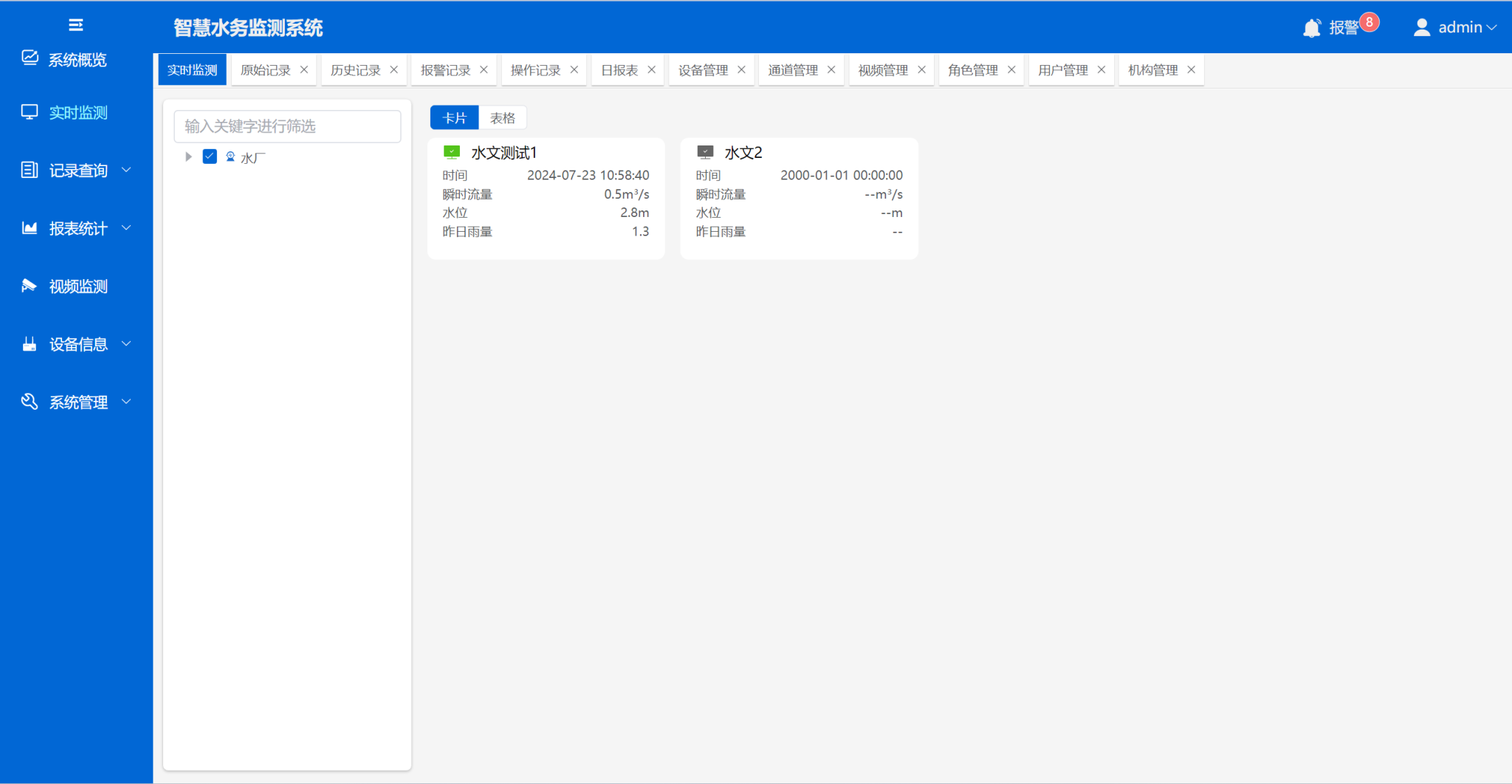
The overall management interface displays geographic information, equipment working status statistics, real-time alarm information, monitoring data display, and weather condition display within the area
Real time monitoring
Display monitoring information of monitoring points in a card based interactive logic, including important information such as water level, rainfall, osmotic pressure data, displacement data, and reporting time
Video playback
You can view and access videos, play or close them, and perform other operations
Record query
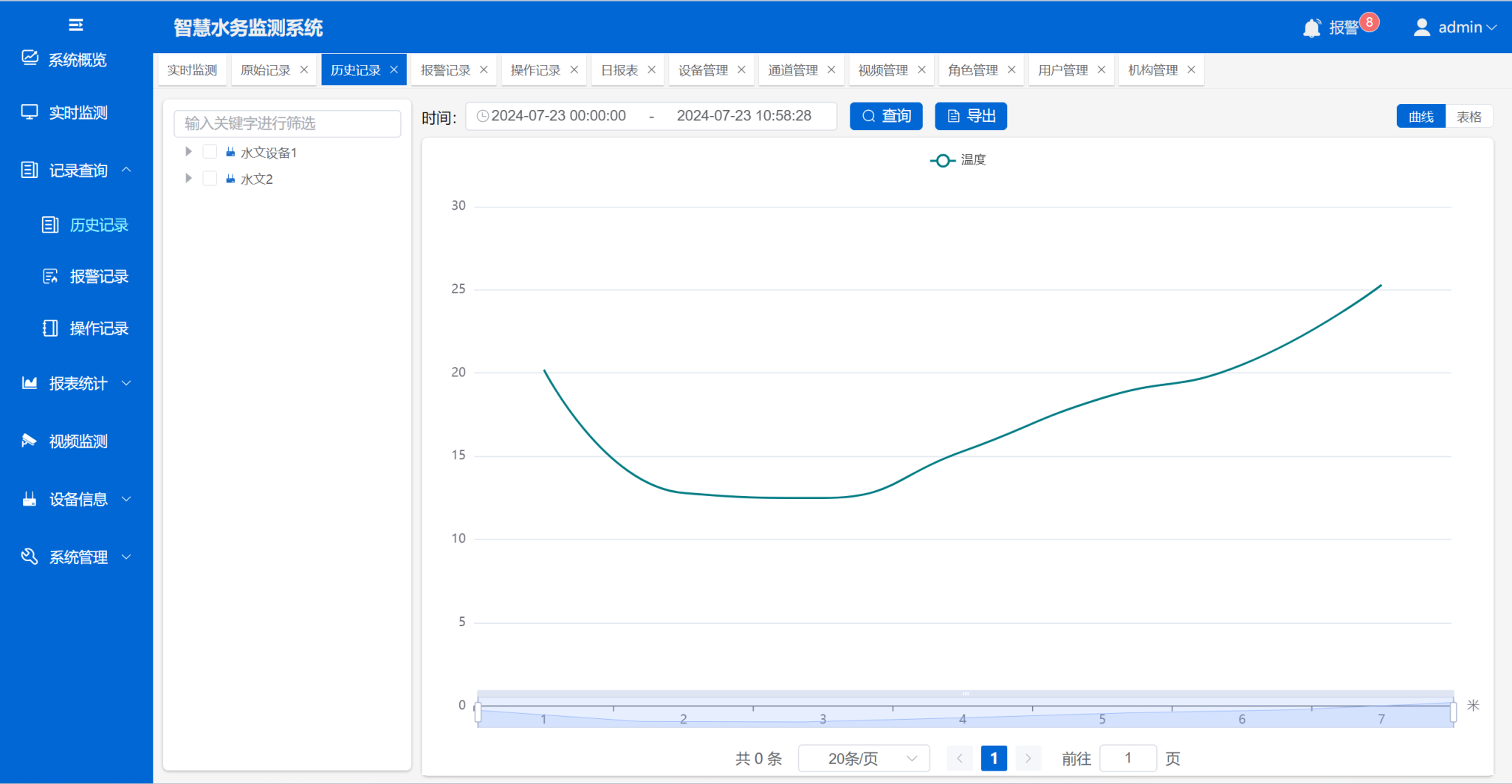
The curve displays monitoring data and can query monitoring data, alarm records, operation records, and other information within any time period
Report statistics
Daily, monthly, and annual reports with statistical monitoring data and data export function
Equipment management
Basic operations such as adding and deleting monitoring devices and video devices can be performed

① Real time video transmission, photo taking, image/video character overlay *: Only CX-L102 and CX-L200 have this function;
② Large capacity storage *: refers to the built-in storage space of the video telemetry terminal, where CX-L102 is 128MB; CX-L200 is 1GB; CX-D10 is DTU and does not have local storage;
③ Private agreement *: refers to the platform docking agreement provided by the partner, and our company develops the corresponding docking interface;
② Large capacity storage *: refers to the built-in storage space of the video telemetry terminal, where CX-L102 is 128MB; CX-L200 is 1GB; CX-D10 is DTU and does not have local storage;
③ Private agreement *: refers to the platform docking agreement provided by the partner, and our company develops the corresponding docking interface;
System configuration
| Name | Configure parameters | quantity | Explanation |
Protective chassis | Insect proof and rainproof chassis | 1 | Galvanized iron or stainless steel material can be customized |
| divIoT transmission terminal IoT intelligent terminal IoT video telemetry terminal | Wireless 4G/5G/Broadband Adaptive Internet Access | 1 | - |
| Network camera | Hikvision/Dahua/Tiandi Weiye | 1 | Support multiple manufacturers and models |
| Measuring instruments | GNSS receiver/water level gauge/rainfall sensor/osmometer/meteorological sensor, etc | 1 | Support smart meters |
| Power Distribution | Solar power supply system or mains power | 1 | - |
| System lightning protection | Network port lightning protection, power supply lightning protection, lightning protection grounding | 1 | - |
| Vertical pole | Make according to the actual situation | 1 | - |
Application performance
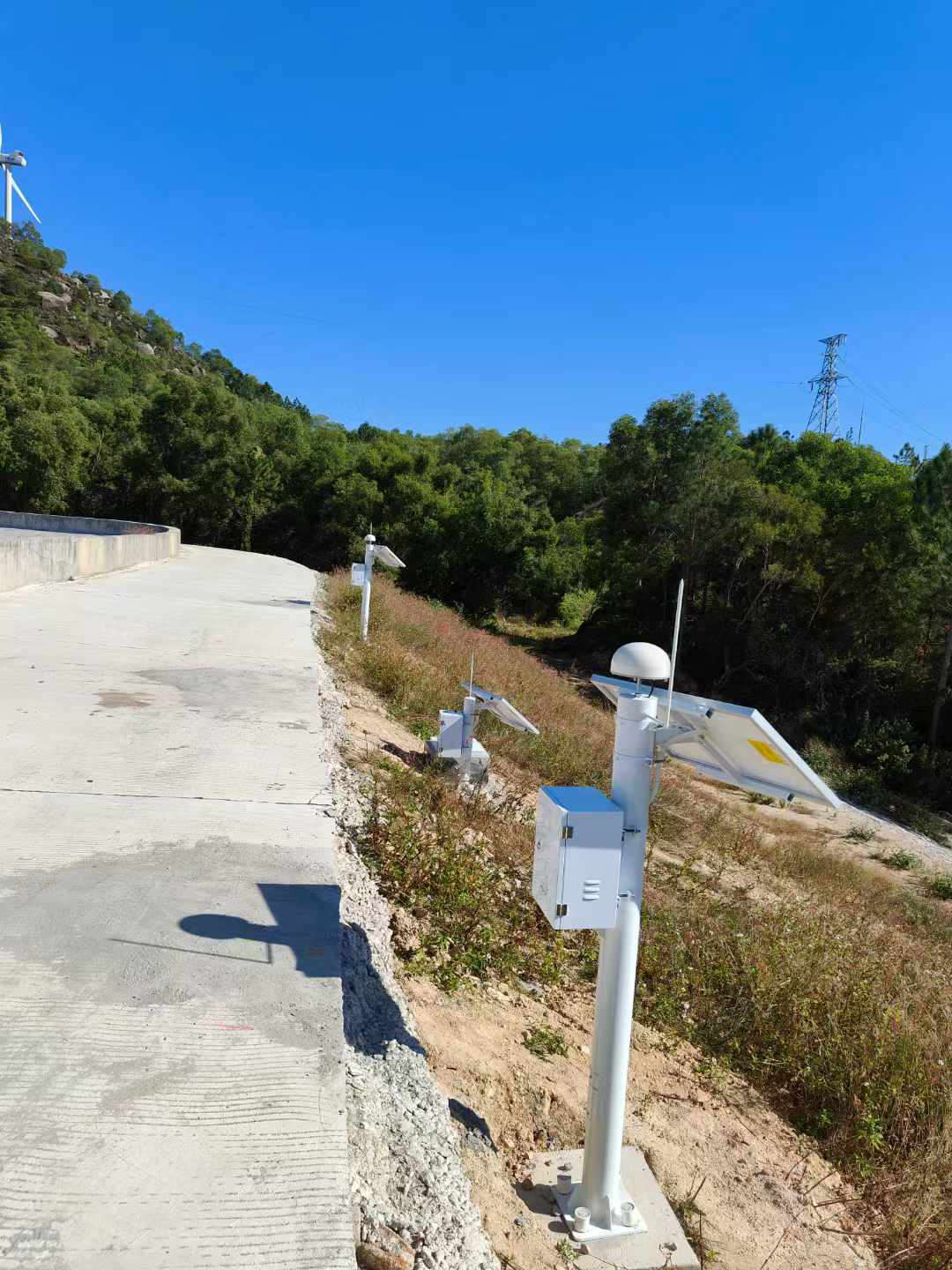
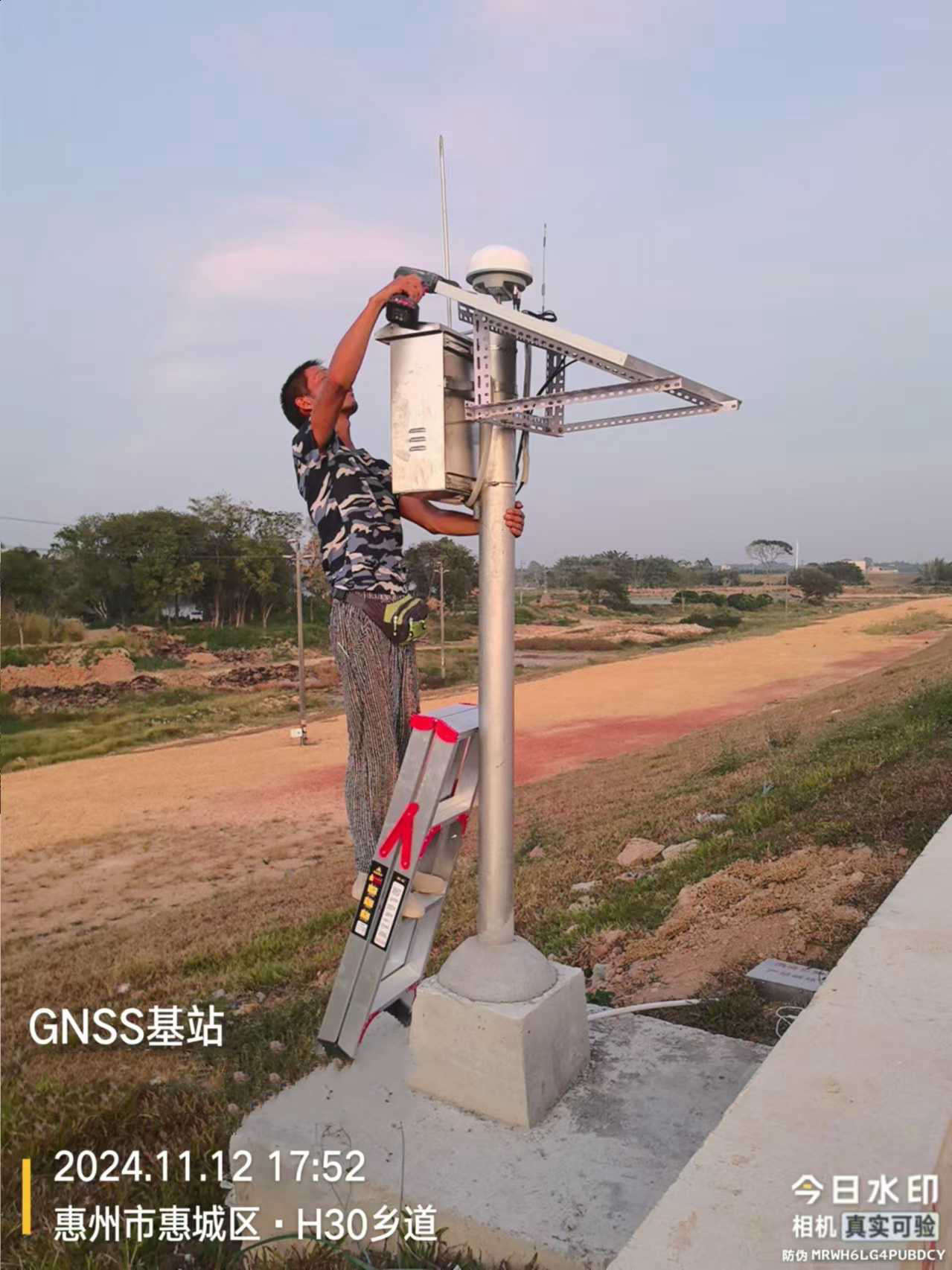
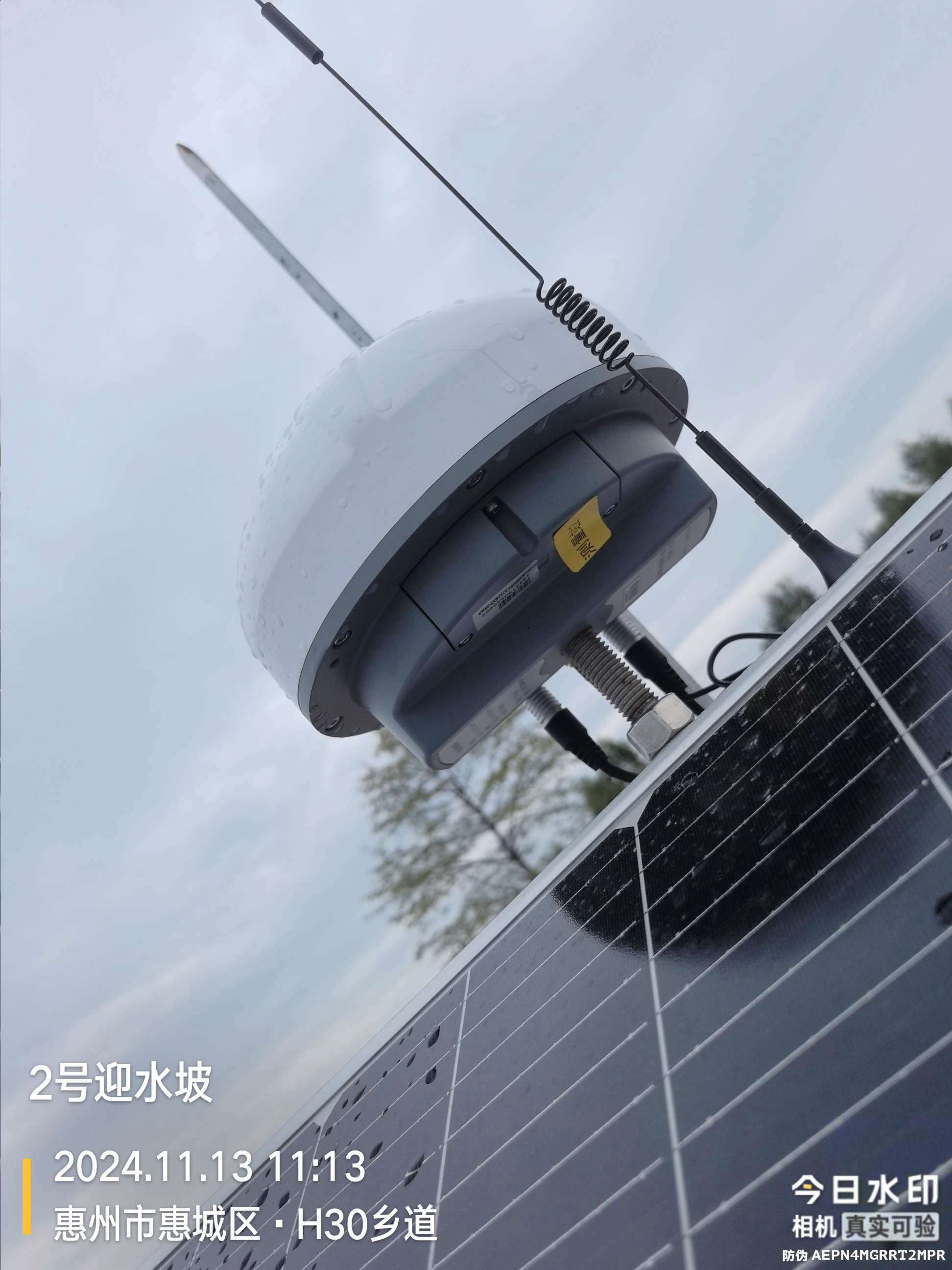
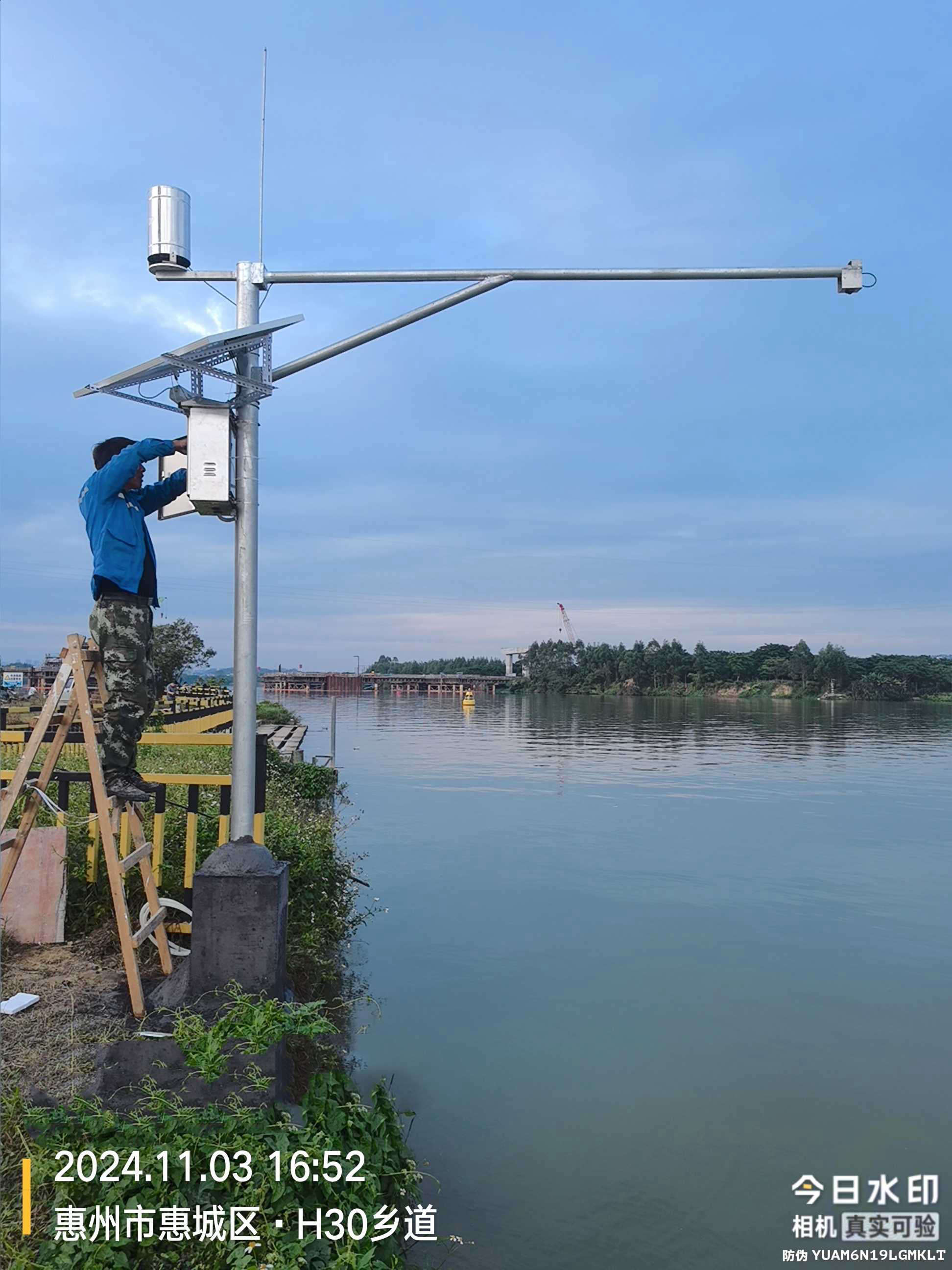
Video monitoring of water level and rainfall
Displacement monitoring reference point
Displacement monitoring and measurement points
Displacement monitoring and measurement points
Related products involved in the plan
Reservoir safety monitoring system; Automated monitoring solution for small reservoir dam body; Monitoring of dam deformation, seepage, seepage pressure, and environmental parameters
Follow WeChat Video Account

Contact: Feng Chao
Phone: 18730593290
Scan the QR code on WeChat to obtain product solutions and prices
About Us
Solution
Smart Water Conservancy
Rural water use
Internet of Things
Instruments and sensors
Service Support
News Center
Pay attention to Tiktok number

Contact phone number
18730593290
18732598815

Email address
122797786@qq.com

Company Address
Tangshan High tech Zone, Hebei Province
126 Torch Road
Tangshan Chenxi IoT Technology Co., Ltd. is an official website supplier of water conservancy IoT products and technical solutions, providing you with hardware and software products, as well as corresponding solutions and technical services
Follow Video Account

 Online Service
